
FLUXFLUX.1 Schnell1:1
Use case
Game asset
Visual style
Photorealistic
Subject
Vehicle
show the view from inside the truck cabin with the headlight illuminating the road ahead
Use case
Readable production concepts for game characters, props, and environments.
By FluxDream Updated 7/20/2026
Examples in library
24
Original FluxDream examples
show the view from inside the truck cabin with the headlight illuminating the road ahead
a huge alligator measuring approximately 7 meters long ferociously attacks a fishing boat on a river in the middle of the Amazon rainforest
realistic naruto playing videogames
maison gamers pour le clan "ti-cuir gaming"
headlight illuminating the dark dirt road ahead as the cart moves forward

Design the subject as a production game asset with a readable silhouette, fixed viewing angle, and functional construction.
An original courier character carrying modular repair tools through a wind-exposed settlement. Design the subject as a production game asset with a readable silhouette, fixed viewing angle, and functional construction. Period-specific print and camera cues, limited production color, material wear that follows the surface, and no copied historical artwork. Use a calm eye-level view and keep the focal subject clear of the frame edges. No logos, watermark, celebrity likeness, duplicated subjects, or unreadable decorative text.

Create a gameplay-readable asset study that holds together at small scale and fits a coherent modular set.
An original six-legged desert grazer using wide feet to cross loose mineral sand. Create a gameplay-readable asset study that holds together at small scale and fits a coherent modular set. Original speculative design where technology has a visible function, material logic, social consequence, and controlled luminous accents. Use a slightly elevated three-quarter view with a distinct foreground, middle distance, and background. Keep anatomy, perspective, reflections, and cast shadows internally consistent. No watermark or brand marks.
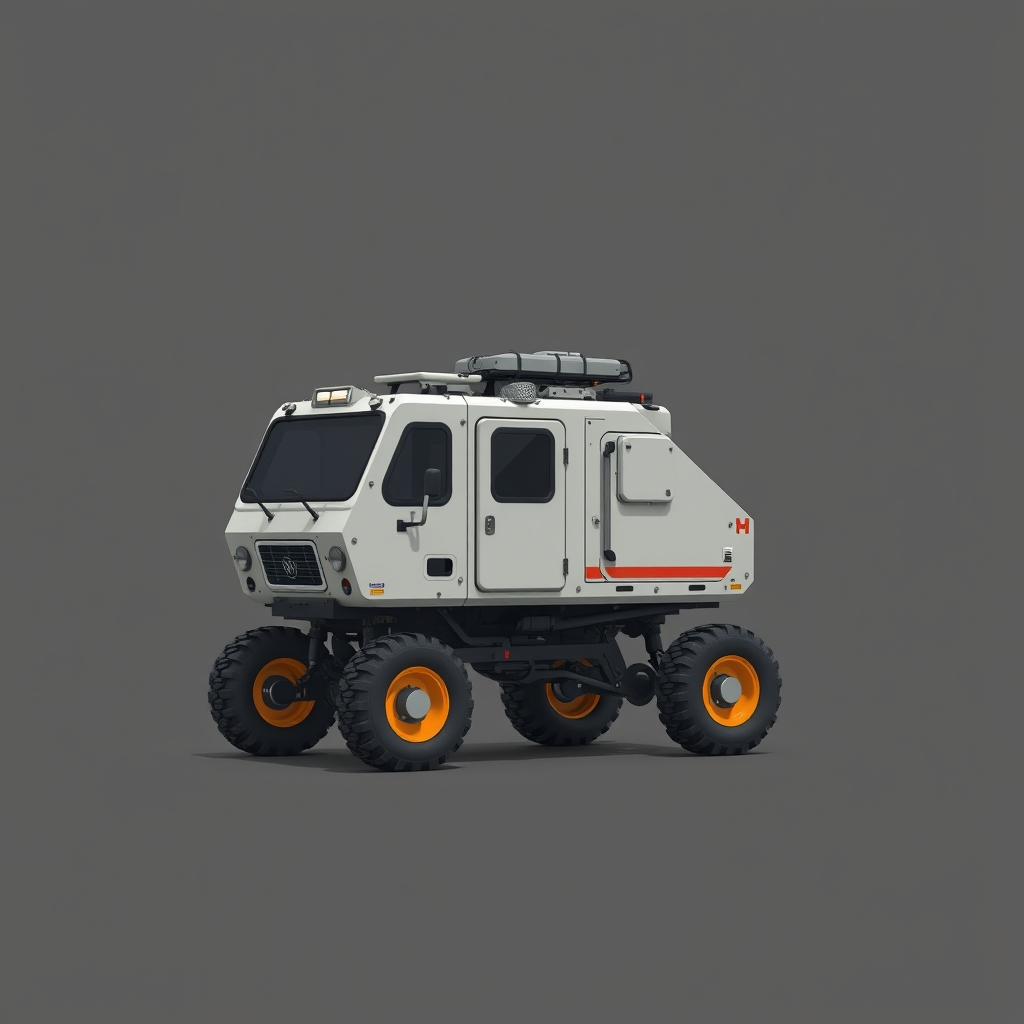
Treat the image as a handoff-ready game concept with clear scale, materials, access points, and unobstructed shape.
A narrow mountain maintenance vehicle with articulated wheels and visible access panels. Treat the image as a handoff-ready game concept with clear scale, materials, access points, and unobstructed shape. Minimal composition with a strict object count, exact alignment, restrained color roles, and generous intentional negative space. Use a close working-distance frame that reveals material detail without cropping functional parts. Use original design language. Avoid existing characters, artist imitation, logos, and meaningless generated words.

Design the subject as a production game asset with a readable silhouette, fixed viewing angle, and functional construction.
A small public reading room organized around a central daylight shelf and quiet perimeter seats. Design the subject as a production game asset with a readable silhouette, fixed viewing angle, and functional construction. Believable photography with a physically placed camera, available light, restrained depth of field, and ordinary surface detail. Use an asymmetric wide frame with one strong visual anchor and a quiet counterweight. No logos, watermark, celebrity likeness, duplicated subjects, or unreadable decorative text.

Create a gameplay-readable asset study that holds together at small scale and fits a coherent modular set.
A tidal grassland at first light with shallow channels reflecting a pale sky. Create a gameplay-readable asset study that holds together at small scale and fits a coherent modular set. Photoreal rendering with coherent light transport, accurate material response, natural imperfections, and consistent spatial scale. Use a centered frontal frame only where symmetry explains the object or task. Keep anatomy, perspective, reflections, and cast shadows internally consistent. No watermark or brand marks.
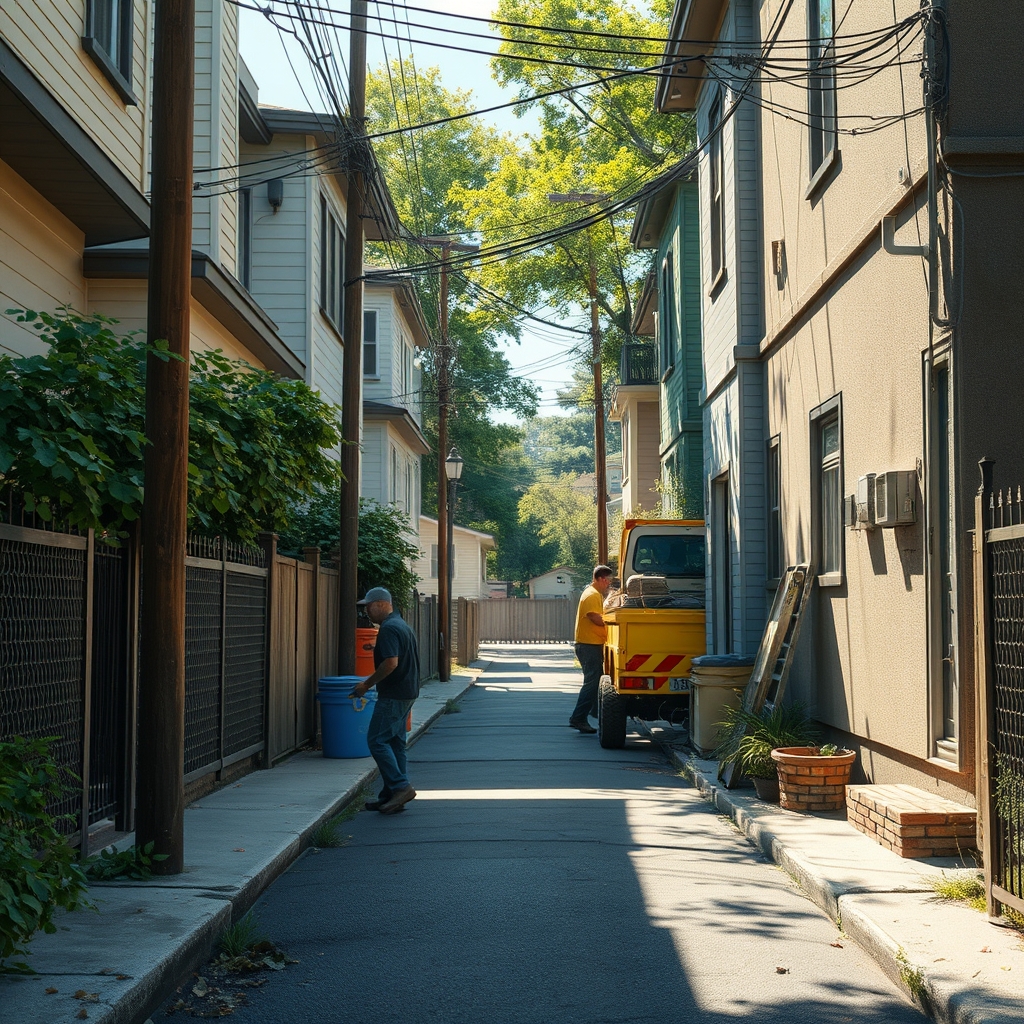
Treat the image as a handoff-ready game concept with clear scale, materials, access points, and unobstructed shape.
A quiet residential lane during a summer power repair, with workers and neighbors sharing the space. Treat the image as a handoff-ready game concept with clear scale, materials, access points, and unobstructed shape. Cinematic production design with motivated practical light, foreground depth, controlled contrast, and a clear story beat. Use a calm eye-level view and keep the focal subject clear of the frame edges. Use original design language. Avoid existing characters, artist imitation, logos, and meaningless generated words.

Design the subject as a production game asset with a readable silhouette, fixed viewing angle, and functional construction.
An abstract field of folded translucent planes that opens into a calm low-contrast center. Design the subject as a production game asset with a readable silhouette, fixed viewing angle, and functional construction. Editorial art direction with purposeful gesture, graphic spacing, tactile styling, and a visual argument suited to publication. Use a slightly elevated three-quarter view with a distinct foreground, middle distance, and background. No logos, watermark, celebrity likeness, duplicated subjects, or unreadable decorative text.

Create a gameplay-readable asset study that holds together at small scale and fits a coherent modular set.
An original archivist character protecting fragile seed records inside a mobile library. Create a gameplay-readable asset study that holds together at small scale and fits a coherent modular set. Original anime and manga language with expressive acting, deliberate line weight, simplified shadow shapes, and no artist imitation. Use a close working-distance frame that reveals material detail without cropping functional parts. Keep anatomy, perspective, reflections, and cast shadows internally consistent. No watermark or brand marks.
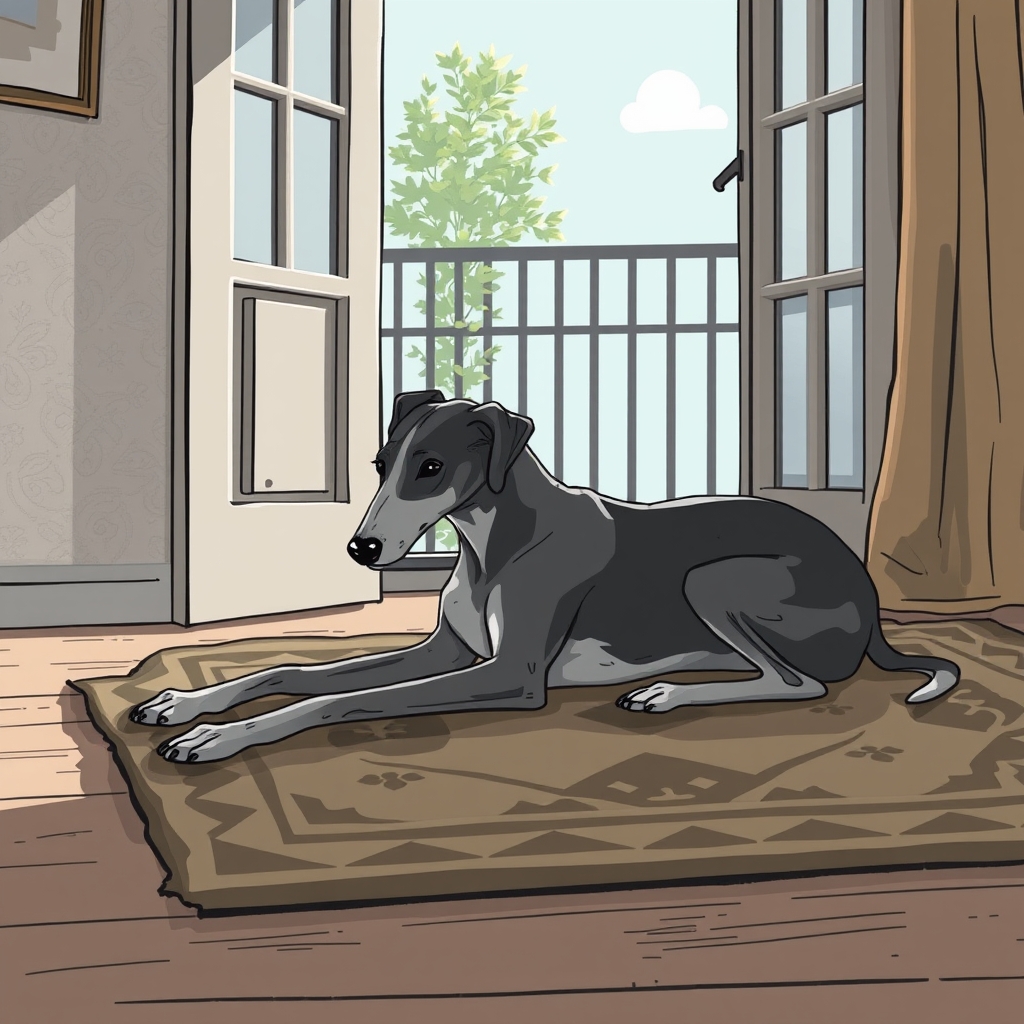
Treat the image as a handoff-ready game concept with clear scale, materials, access points, and unobstructed shape.
A rescued greyhound stretching on a worn rug near an open balcony door. Treat the image as a handoff-ready game concept with clear scale, materials, access points, and unobstructed shape. Illustrated construction with a coherent shape language, visible mark system, selective detail, and strong value hierarchy. Use an asymmetric wide frame with one strong visual anchor and a quiet counterweight. Use original design language. Avoid existing characters, artist imitation, logos, and meaningless generated words.
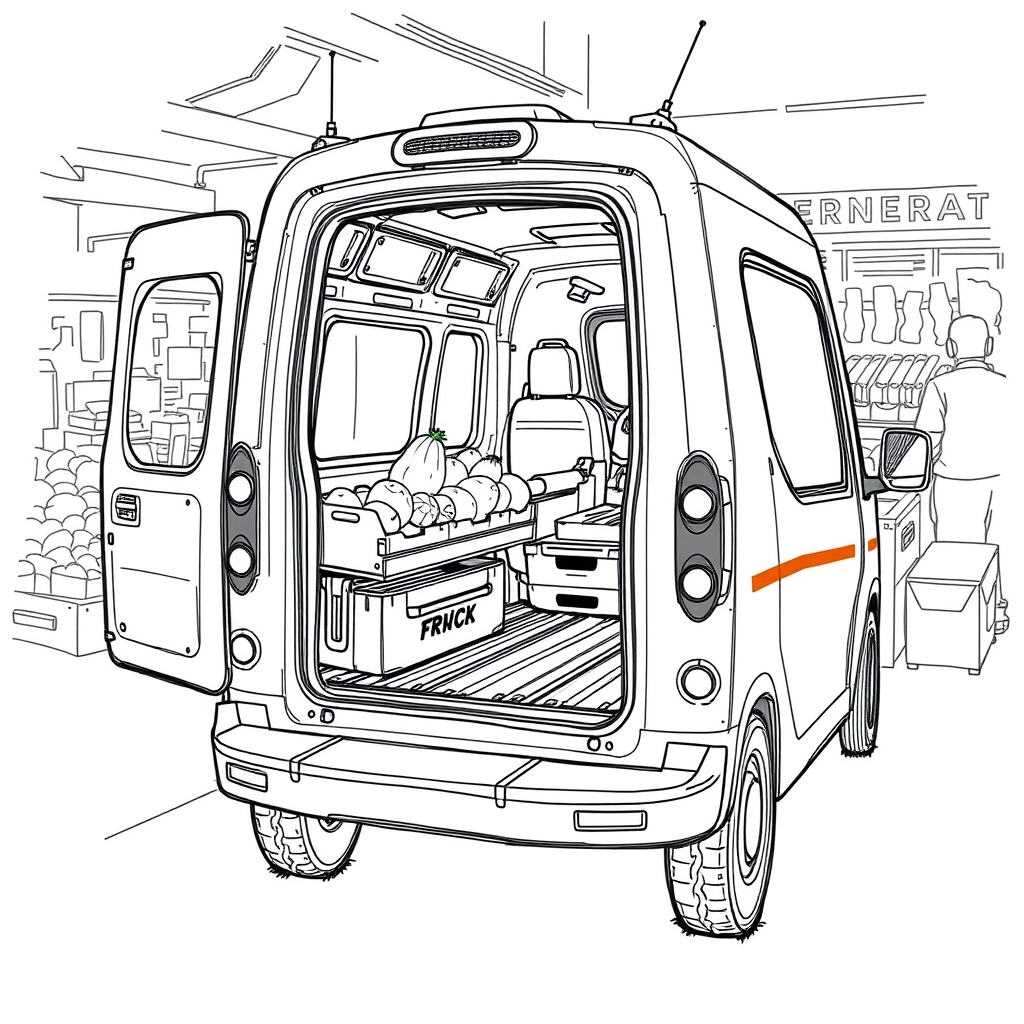
Design the subject as a production game asset with a readable silhouette, fixed viewing angle, and functional construction.
A compact electric produce van with a low loading floor at an early market. Design the subject as a production game asset with a readable silhouette, fixed viewing angle, and functional construction. Sketch and line-art treatment with varied contour weight, exposed construction, limited hatching, and intentional unfinished areas. Use a centered frontal frame only where symmetry explains the object or task. No logos, watermark, celebrity likeness, duplicated subjects, or unreadable decorative text.
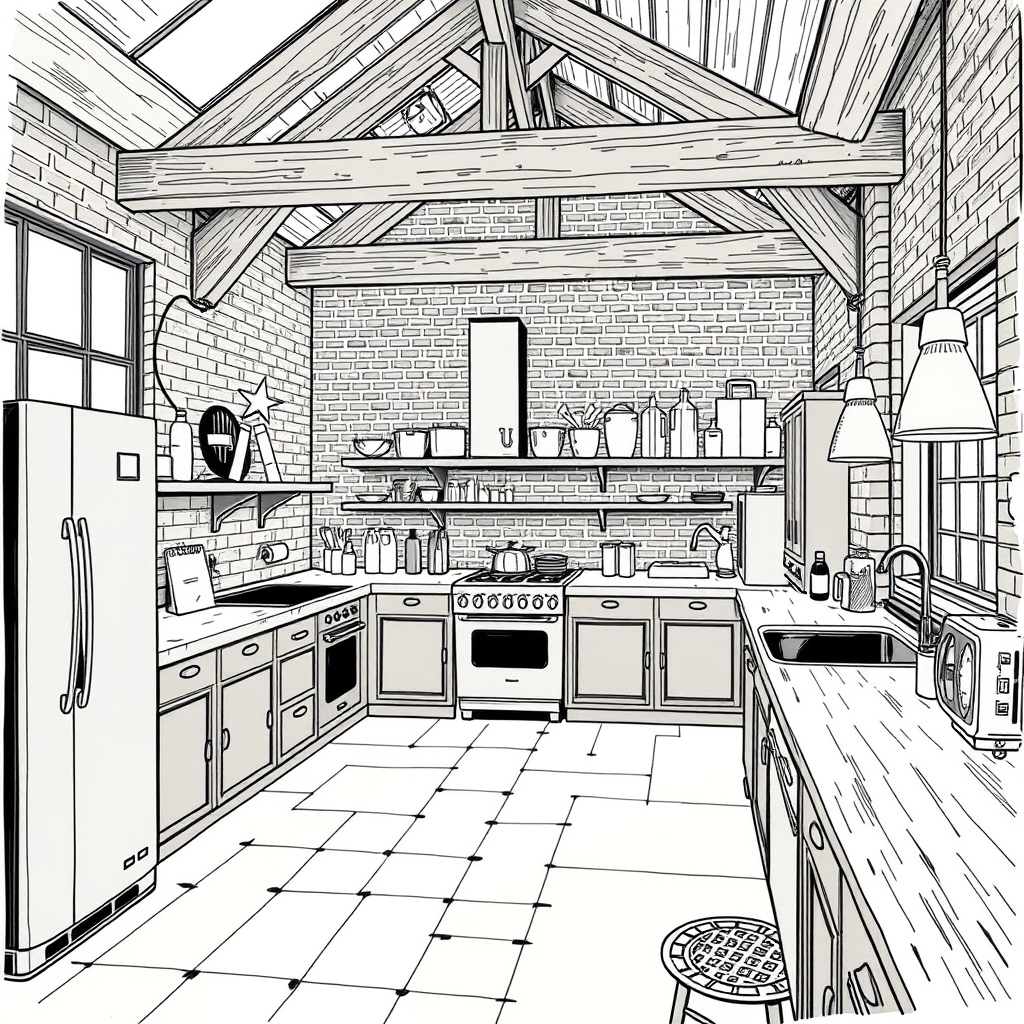
Create a gameplay-readable asset study that holds together at small scale and fits a coherent modular set.
A converted warehouse kitchen with clear circulation, reused brick, and new timber junctions. Create a gameplay-readable asset study that holds together at small scale and fits a coherent modular set. Graphic-novel treatment with decisive inking, readable black-and-white values, expressive acting, and sequential clarity. Use a calm eye-level view and keep the focal subject clear of the frame edges. Keep anatomy, perspective, reflections, and cast shadows internally consistent. No watermark or brand marks.

Treat the image as a handoff-ready game concept with clear scale, materials, access points, and unobstructed shape.
A high desert garden where hardy shrubs collect around weathered stone shelves. Treat the image as a handoff-ready game concept with clear scale, materials, access points, and unobstructed shape. Three-dimensional render with designed geometry, plausible roughness and depth, a controlled camera, and a simple studio-grade light rig. Use a slightly elevated three-quarter view with a distinct foreground, middle distance, and background. Use original design language. Avoid existing characters, artist imitation, logos, and meaningless generated words.

Design the subject as a production game asset with a readable silhouette, fixed viewing angle, and functional construction.
An original courier character carrying modular repair tools through a wind-exposed settlement. Design the subject as a production game asset with a readable silhouette, fixed viewing angle, and functional construction. Chibi construction with an explicit large-head proportion, compact silhouette, simplified accessories, and one readable expression. Use a close working-distance frame that reveals material detail without cropping functional parts. No logos, watermark, celebrity likeness, duplicated subjects, or unreadable decorative text.

Create a gameplay-readable asset study that holds together at small scale and fits a coherent modular set.
An original six-legged desert grazer using wide feet to cross loose mineral sand. Create a gameplay-readable asset study that holds together at small scale and fits a coherent modular set. Isometric construction with a consistent projection grid, modular scale, one shadow direction, and unobstructed functional detail. Use an asymmetric wide frame with one strong visual anchor and a quiet counterweight. Keep anatomy, perspective, reflections, and cast shadows internally consistent. No watermark or brand marks.
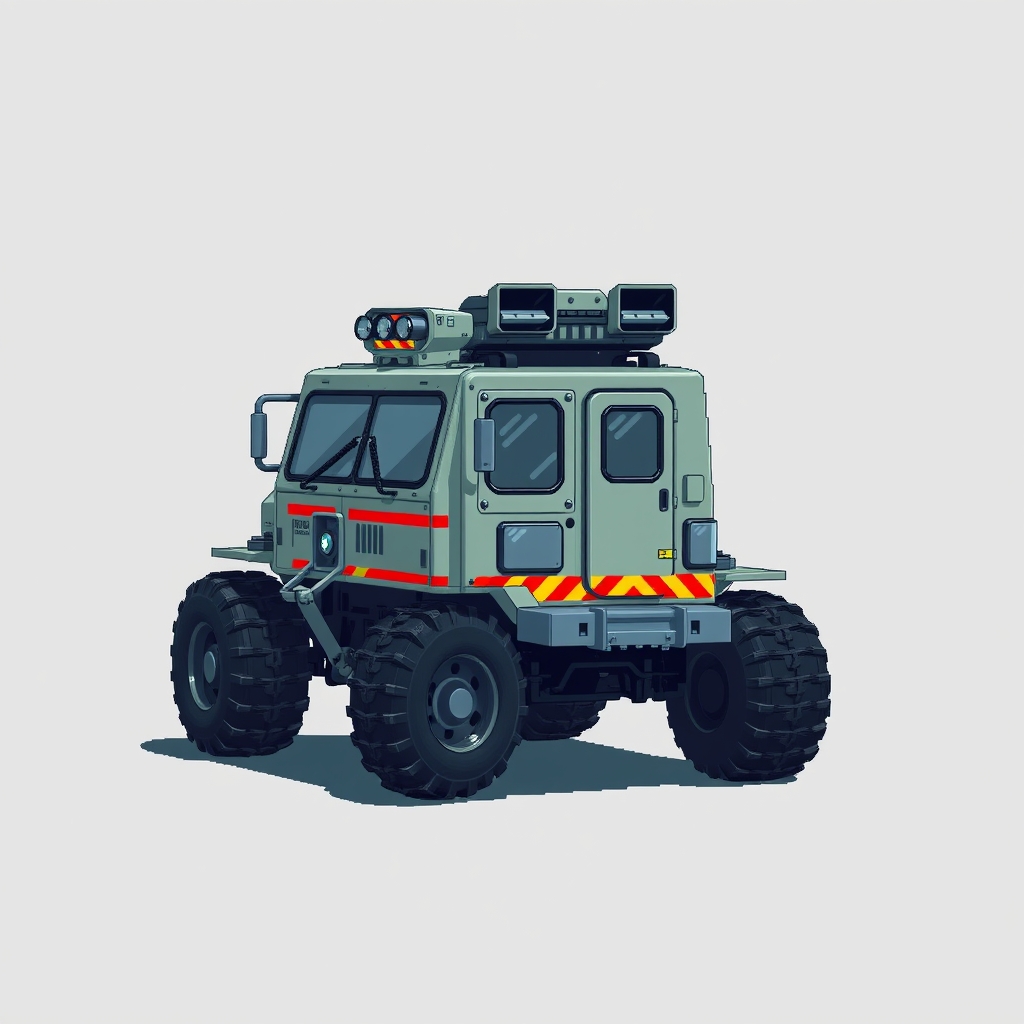
Treat the image as a handoff-ready game concept with clear scale, materials, access points, and unobstructed shape.
A narrow mountain maintenance vehicle with articulated wheels and visible access panels. Treat the image as a handoff-ready game concept with clear scale, materials, access points, and unobstructed shape. Pixel art at a fixed native scale with crisp clusters, a limited palette, no antialiasing, and no soft gradients. Use a centered frontal frame only where symmetry explains the object or task. Use original design language. Avoid existing characters, artist imitation, logos, and meaningless generated words.
Illustrate a scene of burnt brick unloading or de-harking from a traditional brick kiln. The bricks should appear darkened or burnt, having just completed the firing process. Workers, equipped with basic tools such as gloves and metal hooks, should be in the process of unloading the still-hot bricks from the kiln. The bricks are being carefully removed from the kiln's base, and some are stacked in neat piles nearby. The scene should also include the remnants of burnt wood or fuel used for firing, scattered around the base of the kiln. Surround the setting with a rural landscape, with trees and simple tools visible, creating an atmosphere of manual labor in a traditional brick-making process
Illustrate a scene of burnt brick unloading or de-harking from a traditional brick kiln. The bricks should appear darkened or burnt, having just completed the firing process. Workers (african, equipped with basic tools such as gloves,helment, coat, gun boot and metal hooks, should be in the process of unloading the still-hot bricks from the kiln. The bricks are being carefully removed from the kiln's base, and some are stacked in neat piles nearby. The scene should also include the remnants of burnt wood or fuel used for firing, scattered around the base of the kiln. Surround the setting with a rural landscape, with trees and simple tools visible, creating an atmosphere of manual labor in a traditional brick-making process
Illustrate a scene of burnt brick unloading or de-harking from a traditional brick kiln. The bricks should appear darkened or burnt, having just completed the firing process. Workers (african, equipped with basic tools such as gloves,helment, coat, gun boot and metal hooks removing bricks, should be in the process of unloading the still-hot bricks from the kiln. The bricks are being carefully removed from the kiln's base, and some are stacked in neat piles nearby. The scene should also include the remnants of burnt wood or fuel used for firing, scattered around the base of the kiln. Surround the setting with a rural landscape, with trees and simple tools visible, creating an atmosphere of manual labor in a traditional brick-making process
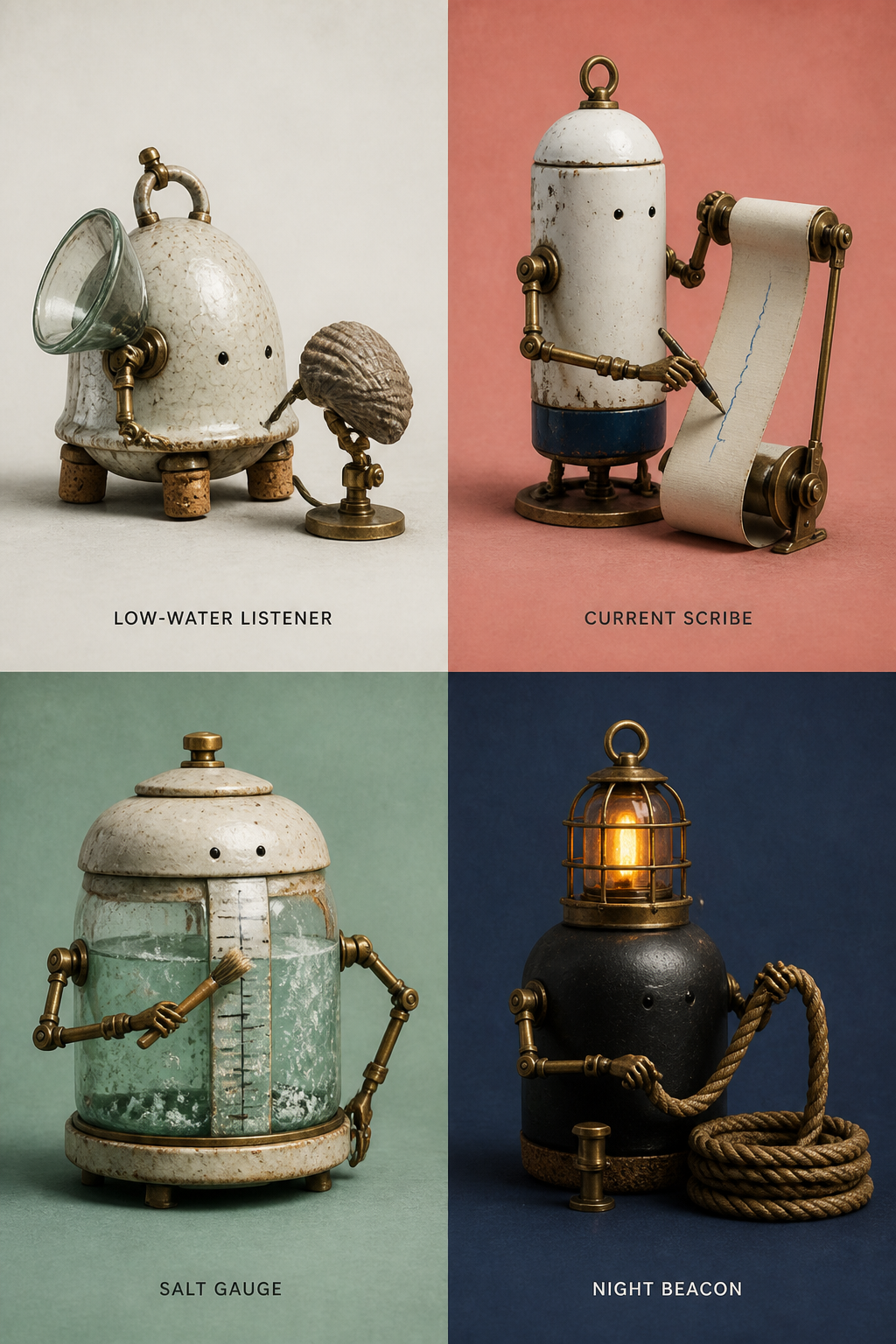
Original v2 gpt-image-2 showcase prompt.
Create a polished 2:3 vertical character-design board with four original 3D tidal instruments arranged in a strict 2x2 grid. They are small nonhuman caretakers built for a fictional coastal field station, each fully visible in its own panel. Top left, LOW-WATER LISTENER: a squat ceramic bell body, cork feet, one glass ear cone, leaning toward a shell-shaped sensor. Top right, CURRENT SCRIBE: a tall enamel float with jointed brass arms, drawing a blue line on a paper strip. Bottom left, SALT GAUGE: a broad translucent chamber filled with visible mineral marks, carefully brushing its own measuring scale. Bottom right, NIGHT BEACON: a compact black buoy body carrying a warm amber lamp and coiling a braided rope. Give all four the same calm dot-eye language, practical hinges, weather wear, and handmade field-equipment proportions, but distinct silhouettes and gestures. Background panels use fog white, faded coral, sea-glass green, and deep ink blue. One shared soft studio light from upper left, realistic contact shadows, crisp edges, and tactile ceramic, cork, glass, enamel, cord, and oxidized metal. Add only the four exact uppercase names in small readable type beneath each panel. No humans, no clothing, no existing mascot style, no merged panels, no floating limbs, and no decorative coastal scenery.